New Construction Windows Carlsbad

Placing operable windows on the windward side of a Carlsbad home lets the afternoon sea breeze enter and push stale air out through leeward openings.
Understanding the local breeze pattern

The useful breeze in Carlsbad is the afternoon onshore sea breeze that generally arrives from the west to northwest. Inlet windows should face that direction while outlet windows sit on the opposite or leeward wall. Hills canyons and neighboring houses in areas such as La Costa Aviara and Calavera Hills often bend the flow away from true west so confirming the actual wind on the lot with a light ribbon on a warm afternoon is a practical step before finalizing locations.
Sizing inlet and outlet openings
Make the outlet opening equal to or larger than the inlet opening. A smaller inlet paired with a larger outlet speeds the air moving through the room. Two small openings or a single opening with no exit move very little air. Planning the operable area with this ratio in mind ensures the breeze can actually travel through the space.
Diagonal versus straight line paths
Place the inlet and outlet diagonally across the room instead of directly opposite each other. A straight shot cools only a narrow strip while a diagonal path sweeps more of the room and the people in it. This layout also helps avoid dead zones where air stagnates.
Adding stack effect with height differences
Put inlets low and outlets high to add stack effect. Warm air rises and leaves through the high openings which pulls cooler air in low. This keeps air moving on still evenings when the sea breeze dies. High clerestory or operable skylight units give warm air an exit point and can be motorized for easy operation.
Choosing operable types over fixed glass
Fixed glass does no ventilating. Ocean view walls are often specified as large fixed picture units. Pair them with operable casements or awnings or the room facing the breeze will have no way to take it in. Choose window type for airflow not only for looks. A casement can open to nearly its full sash area and can scoop a breeze that hits the wall at an angle. A slider only ever opens about half its frame. With a single or double hung unit opening both the top and the bottom helps exchange air.
Setting casement hinges for scoop action
On casements set the hinge side so the open sash acts like a scoop. The hinge should sit on the far side from where the wind comes so the sash catches the breeze and turns it into the room. If the hinge is on the wrong side the sash deflects air away from the opening.
Enhancing capture on parallel walls
Walls that run parallel to the breeze catch very little air through flat openings. Projecting casements wing walls or fins beside the window create pressure differences that pull air in. These architectural details can be integrated during new construction without major cost changes.
Interior layout and air pathways
Interior layout decides whether cross ventilation actually happens. A closed bedroom door cuts the room off from the outlet on the other side of the house. Plan transoms door undercuts or transfer grilles so air has a path from windward rooms to leeward rooms. This continuity is essential for whole house airflow.
Accounting for insect screens
Insect screens noticeably reduce airflow and dirty or salt crusted screens reduce it more. Size openings with screens in mind. Ask about lower resistance screen mesh and rinse screens on a regular schedule near the coast. Clean screens preserve the designed airflow rates.
Protecting hardware from salt air
Salt air attacks hardware and frames close to the beach and lagoons such as Agua Hedionda Batiquitos and Buena Vista. Specify stainless or coastal rated hinges operators locks and fasteners. Rinse tracks and hardware with fresh water periodically because salt residue stiffens operators until owners stop opening the windows.
Keeping weep holes clear
Keep slider and frame weep holes clear. Blocked weeps trap water in the sill track and wind driven winter rain from the west and southwest pushes water toward exactly the windows placed to catch the ocean breeze. Regular inspection prevents water damage and maintains operability.
Integrating windows with the weather barrier
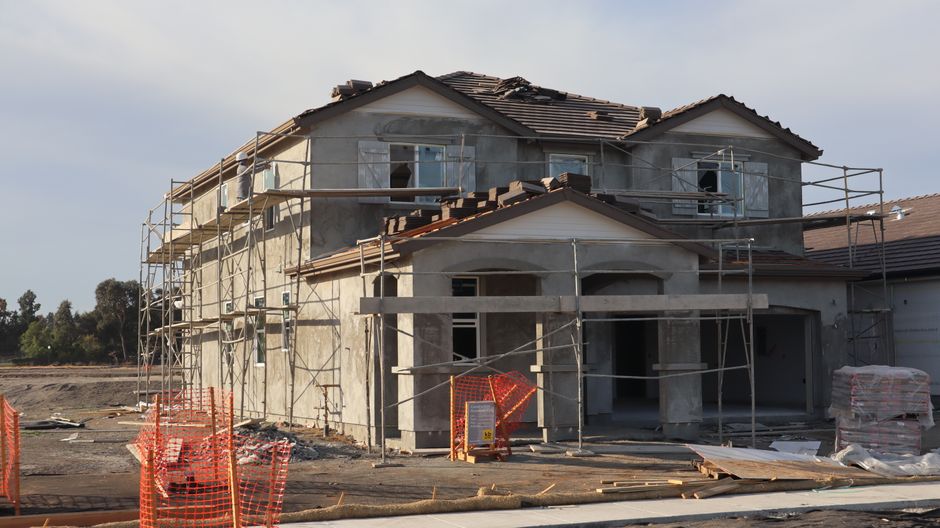
In new stucco construction the window has to be integrated with the weather resistive barrier: sill pan or sloped sill flashing correct shingle lapping and flashing tape over the nail fin. Most leaks blamed on the window are really flashing failures at these laps. Proper detailing during installation protects both the envelope and the ventilation function.
Managing solar gain on west facing glass
West facing glass that catches the breeze also takes the low afternoon sun. Use an overhang exterior shading or a lower solar heat gain glass on those openings. Otherwise the room heats up faster than the breeze can cool it. Balancing daylight and heat gain preserves comfort without relying on mechanical cooling.
Preparing for reverse wind events
Plan for the reverse wind. Santa Ana conditions most common in fall bring hot dry sometimes smoky or dusty air from the east and northeast. During those events east side windows become the inlets for air you may not want. Close up and make sure the windows seal well and lock easily. On hillside and canyon edge lots Santa Anas can carry embers. Fine mesh screens and windows that close quickly and tightly matter more there than on a flat lot near the Village.
Night flushing strategy
Night flushing works well in coastal Carlsbad because evenings usually cool down. Open the low windward and high leeward units after sunset then close them and draw the shades in the morning to hold the cool inside. Homes farther inland east of I five run warmer and may get less benefit from this technique.
Handling marine layer moisture
Marine layer mornings common in late spring and early summer bring damp air. Steady ventilation helps clear moisture but watch for condensation on north facing glass and in closed off rooms. Ventilating windows do not replace bath and kitchen exhaust fans which remain necessary for moisture control.
Noise considerations for bedroom inlets
Noise can defeat the plan. A bedroom inlet that faces I five or the coastal rail line through the Village will stay shut at night. Where possible put operable inlets on the quieter elevation and use fixed or acoustic glass toward the noise source. This preserves both ventilation and sleep quality.
Upper floor fall protection
Upper floor bedrooms often catch a stronger breeze but they need fall protection. Window opening control devices or limited opening stops let a window ventilate while blocking a child from climbing out. Make sure the stop can still be released for emergency exit.
Awning windows for light rain
Awning windows can stay partly open during light rain and fog providing continuous ventilation without water entry. High clerestory or operable skylight units give the warm air an exit point. Plan operators or motorized controls for high units or they will never get opened.
Ceiling fans as a supplement
Ceiling fans and windows work together. Fans move air across people and make occupants feel cooler. Windows exchange the warm room air for outdoor air. Run fans to help on days when the breeze is weak and turn them off in empty rooms. Fans do not lower room temperature they only increase perceived comfort.
By aligning window placement with the prevailing sea breeze sizing openings for balanced flow using diagonal paths adding height differentials selecting operable types that scoop air and detailing for salt resistance a new Carlsbad home can harness natural ventilation effectively while remaining comfortable during reverse wind events and marine layer periods.