New Construction Window Protection Cleaning Carlsbad
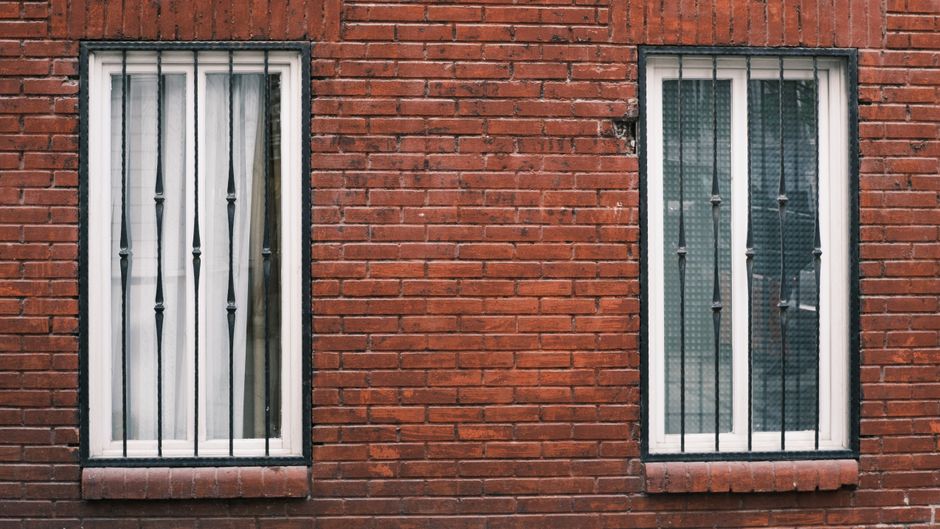
Protecting new construction windows in Carlsbad starts the moment they arrive on site and does not end until the final walk through with dry glass in good light.
Inspect every unit at delivery before it goes in the wall. Look for cracked glass, bent frames, torn screens and damaged sash. Shipping damage is far easier to resolve before installation than after. Store windows upright on blocking, off the ground, and under cover. Lean them against a solid surface on their frames, never on the glass corners, and keep them out of direct sun until they are installed.
Factory Film And Sun Exposure

Many manufacturers ship glass with a peel off film meant to come off soon after installation. Follow the manufacturer's stated removal window. Do not leave protective film on in strong sun for weeks. Sun and heat can bake the adhesive onto the glass and make removal hard. Carlsbad's inland and south facing exposures get plenty of sun even when the coast is overcast. A window that sits wrapped through a spring heat wave can turn a simple peel job into a residue nightmare.
Cover Before Messy Trades Begin

Cover installed windows before stucco, drywall, texture, paint and masonry work starts. Use painter's plastic or a purpose made window protection film, taped to the frame with tape rated for clean removal. Stucco and plaster splatter rank as the top threat on local jobsites. Stucco is the most common exterior finish on Carlsbad homes, and cement based splatter can etch glass and stain frames if it cures in place. Mask windows before lath and plaster work and keep the covers on until the finish coat is done.
Remove wet splatter immediately with clean water and a soft cloth or sponge. Once cement, mortar or plaster cures, scraping can scratch the glass. Ask the manufacturer for an approved removal method before trying any acid or chemical product. Keep masking tape on only as long as the tape manufacturer allows. Tape left on through sun and heat can leave residue or pull finish off vinyl, painted wood or aluminum frames. Choose a tape rated for extended outdoor exposure.
Cleaning Dust And Grit Without Scratching
Never dry wipe dusty glass. Construction dust contains sand, cement and grit that act like sandpaper. Flood the glass with water first, then clean it. Expect more grit after windy days. Santa Ana wind events push fine dust and debris across jobsites. Rinse glass and frames after high wind days instead of wiping them.
Rinse salt residue off glass and hardware on homes near the ocean or lagoons. Homes near the beach, Agua Hedionda or Batiquitos collect salt film on glass and metal parts. A plain fresh water rinse during and after construction reduces corrosion on hardware and screens.
Blade Use And Cleaner Selection
Be careful with razor blades, especially on tempered glass. Tempered glass can carry tiny surface particles from manufacturing that a blade drags into long scratches. Many manufacturers advise against scraping, or allow it only with a new blade, plenty of lubrication and one direction strokes. Check the glass warranty first.
Use mild cleaners only. A small amount of dish soap in water, or a plain glass cleaner without ammonia, is safe for most glass. Avoid abrasive pads, steel wool, scouring powder and solvents unless the manufacturer approves them.
Low E Coatings And Moving Parts
Know where low E coatings sit. Most low E coatings sit on an inner surface of the insulated unit and are not touched by cleaning. Some products have a coating on an exposed surface that needs special care, so confirm with the manufacturer.
Keep paint and caulk off weatherstripping and moving parts. Paint on weatherstripping, sash tracks or hardware can make windows stick and break the seal. Mask these areas or close the sash fully before painting nearby.
Tracks, Weeps And Pressure Washing
Clear the sill tracks and weep holes before final cleanup. Stucco dust, drywall mud and sand pack into tracks and block the drain holes. A blocked weep can let water back up into the frame during winter rain. Vacuum the tracks, then flush gently with water.
Do not pressure wash windows. High pressure water can force past seals and flashing, damage weatherstripping and spray water into the wall. A garden hose and soft brush are enough.
Sash Position And Screen Handling
Keep windows closed and locked during dusty phases. Open sash lets dust into tracks, screens and the interior side of the glass. It also exposes operators and hinges to grit.
Pull screens and store them indoors until final cleanup. Screens tear easily and collect paint and stucco overspray. Label each screen to its opening so it goes back in the right place.
Interior Sill Protection
Protect interior sills and frames during drywall and flooring work. Tape cardboard or hardboard over sills where workers set tools and buckets. Dents and gouges in sills are common jobsite damage that show up after the trim goes on.
Final Walk Through And Documentation
Do a walk through with the glass dry, in good light. Before final payment, check for scratches, etch marks, seal failure such as fog between panes, tape residue and stuck sash. Raking light from low sun shows scratches best.
Document and report glass damage quickly. Take photos and contact the installer or manufacturer as soon as you notice it. Warranty terms often depend on when and how damage occurred, and scratches made during cleanup are usually not covered.
Hardware Care After Construction
Clean hardware and lubricate it only as the manufacturer directs. After final cleanup, wipe the operators, locks and hinges. Use only the lubricant type the manufacturer recommends, since some sprays attract dust or damage seals.